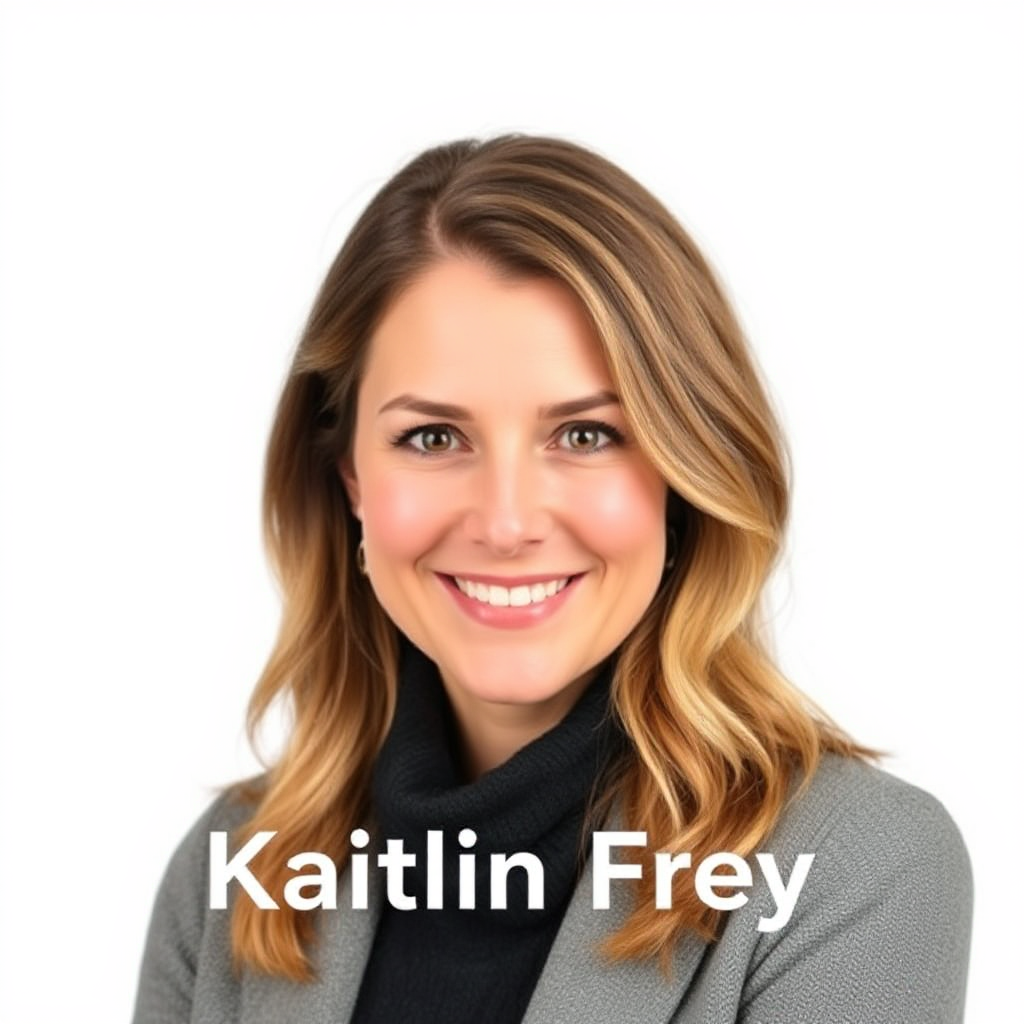
The performer appears on the digital interview and right away launches into an apology. “Oh my God – I’m sorry!” she states, appearing genuinely remorseful. Despite being only a bit behind, she needs to justify. “I have such a problem, because I’m a yapper on the phone. I had two calls before this, and I’m like, I’ve gotta stop talking!” Fortunately, in this context, that’s precisely what you want to hear. Moreover, it’s quite predictable. Anyone who know the fearlessly LGBTQ+ and unapologetically crass film Bottoms—that Sennott penned with the director and appeared in together with her friend The Bear’s standout—will already know that Sennott holds a lot to discuss, be it on identity, intimacy, or the appeal of forming a teen fight club. Furthermore, by the end her recent eight-part HBO series I Love LA, it becomes obvious that she carries even more thoughts regarding the struggles of young adulthood (As a millennial, she serves as a bridge to younger audiences, straddling eras adept for bridging both generations).
Influences and Artistic Direction
Likenesses to the iconic series Girls are inevitable and Sennott is enthusiastic, citing the show alongside Sex and the City, Insecure and the innovative program as guides for the project, which details the travails of an influencer Tallulah and ally who is also fledgling talent manager Sennott’s character. However, the biggest presence on creative vision belonged to the HBO series, the program depicting an emerging Hollywood star navigating in a corrupt entertainment industry (notable statement: “nobody’s happy in this town except for the losers”). Sennott started watching it during lockdown, became “hooked”, and decided to put her own twist on it “with female and queer audiences in mind”.
“My aim was to focus on digital fame over traditional entertainment, as my own beginnings were on the web,” she says. The inspiration for the series came—in part—from her own, at first difficult, move to LA and from her astrological phase, a much-talked-about occurrence for followers. It was an era that involved her understand significant truths, work-wise and personally. “My twenties began with constant public emotional outbursts and disorganization,” she admits. “In my mid-20s, I moved to LA and got settled. And then I felt like everything started to just fall apart. “The struggles felt almost mythic in scale…”
Starting Out
Growing up in New England, the star commenced creating and acting stand-up while pursuing acting at a prestigious arts school. “Despite trying every conventional route, I couldn’t find my footing,” she states. “I tried out for all the NYU comedy groups, and got rejected from all of them. “Theatre productions at school also didn’t accept me. “I wondered why I was even there at all.”
She decided to act independently, appearing at amateur nights with Ayo and sharing hysterical (and decidedly) bizarre comedy videos digitally. A particular video, titled Baby Cult, centered on a group of women intensely obsessed with motherhood; a different one imagined working at the brand Hollister as like being trapped in a scary movie. In a neat twist of fate, she connected with Seligman through the university’s film scene and ended up featuring in her first film, Shiva Baby, an anxious film set at a funeral gathering with shades of the intense thriller. The big theme of her career, she says, has been people her own age supporting her, instead of established gatekeepers. Does that mean bypassing the usual powers? “Not the gatekeepers”, she emphasizes, adding with a laugh: “They prefer we don’t succeed.”
Manifesting Dreams
Anyone who were skeptical about her then will certainly be regretting it currently. In what she calls a “incredibly circular” story, she has manifested the perfect project. Previously she posted a video named on LA life on social media, in which she mocked Hollywood trailers (“Substance abuse is rampant here”). Now, she’s a lead creator (with Emma Barrie) of a show about city dwellers managing advantages of internet fame (such as socializing at Elijah Wood’s house) with downsides (your friend being accused of being a substance-abusing thief, and potentially becoming a risky outcast). It would be easy to make a series about internet celebrity that was overly glamorous—or, even less favorable, one that belittled at the characters. This show does neither, making for a depiction of privileged young adult existence that’s honest about the grot and the appeal.
Balanced Perspective
“Numerous series present younger generations and digital culture in a derogatory manner,” she says. “I think that young people have been through a lot – I’m mostly thinking of people younger than me, like my little sister, who went to college during Covid, so she had to come home, or my other sister who was doing school online.”|“The younger generation has faced significant

